
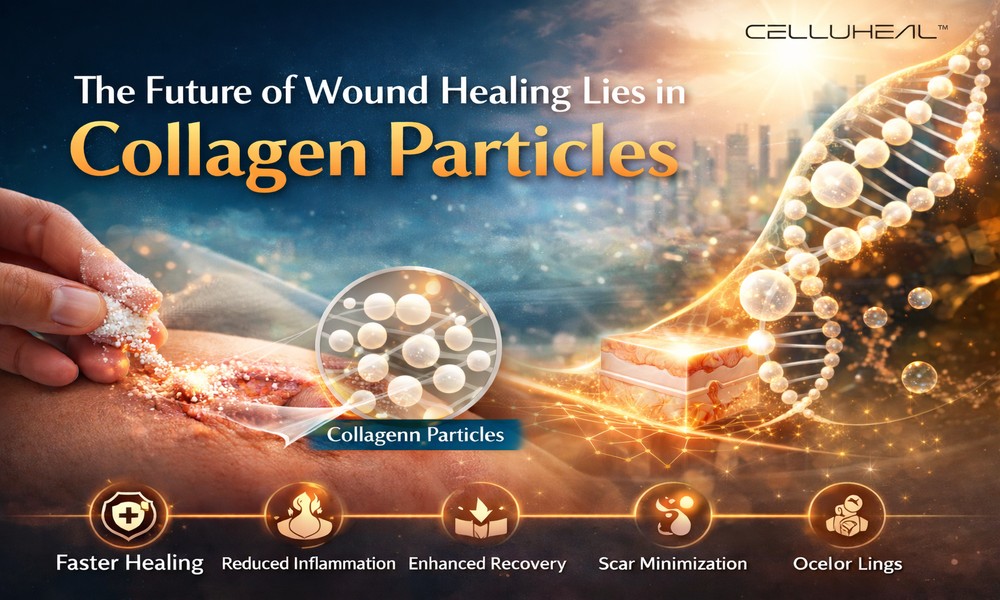
Wound care has evolved significantly over the years. What once relied heavily on basic gauze and antiseptic creams is now supported by advanced materials designed to work with the body’s natural healing process. Among these innovations, collagen particles are emerging as a key development in modern wound management.
As medical understanding deepens, one thing has become clear healing is not just about covering a wound. It is about creating the right environment for the body to repair itself effectively. That is exactly where collagen particles are changing the conversation.
A Shift Toward Regenerative Healing
Traditional wound care focused mainly on protection. The goal was to keep dirt out and allow the body to heal on its own. While this approach works for minor injuries, more complex or slow-healing wounds require additional support.
Modern wound care now emphasizes regeneration. Instead of acting only as a barrier, newer solutions are designed to actively support tissue growth, maintain moisture balance, and reduce healing time.
Collagen particles are part of this regenerative shift.
Why Collagen Matters in Skin Repair
Collagen is a naturally occurring protein found in skin, connective tissue, and muscles. It plays a structural role, giving the skin strength and elasticity. When an injury occurs, the body produces collagen to rebuild damaged tissue.
However, in certain cases such as chronic wounds, surgical wounds, or injuries in individuals with compromised healing natural collagen production may not be enough. Supporting the wound with external collagen can help create a stronger foundation for recovery.
Collagen particles provide this support directly at the wound site.
How Collagen Particles Improve the Healing Environment
One of the biggest challenges in wound care is maintaining the right balance of moisture. A wound that is too dry can slow tissue formation, while excessive fluid can increase the risk of infection.
Collagen particles help by:
- Absorbing excess wound exudate
- Supporting cellular activity
- Encouraging organized tissue growth
- Creating a scaffold for new skin formation
By interacting with the wound surface, they support the natural repair process instead of simply covering the injury.
This functional role is why many healthcare professionals are incorporating collagen-based materials into advanced wound care protocols.
Supporting Faster and More Efficient Recovery
The future of wound healing is focused on improving outcomes not only closing wounds faster, but also reducing complications and supporting healthier skin regeneration.
Collagen particles contribute to:
- Faster wound closure in appropriate cases
- Reduced inflammation when used correctly
- Improved tissue strength during remodeling
- Potential reduction in visible scarring
These benefits are particularly important for patients dealing with diabetic ulcers, post-surgical wounds, or chronic injuries under medical supervision.
Innovation Backed by Practical Application
The growing use of collagen in wound care is not just a trend. It reflects a broader move toward biologically supportive materials that complement the body’s own healing systems.
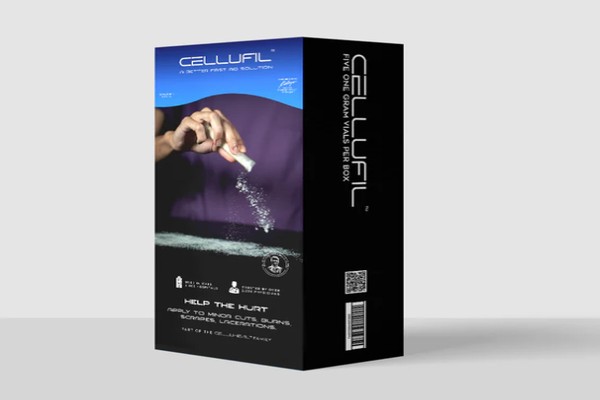
Products such as Cellufil® Collagen Particles are developed to provide structured collagen support directly to the wound bed. When used according to medical guidance, they help optimize the healing environment and support natural tissue repair.
A Forward Looking Approach to Wound Care
As research continues, the future of wound healing will likely involve even more advanced biomaterials designed to enhance recovery while minimizing discomfort and risk.
Collagen particles represent an important step in that direction. By focusing on regeneration rather than simple coverage, they align with modern medical thinking that prioritizes efficiency, safety, and long-term skin health.
Healing is no longer just about waiting for the body to recover. It is about giving it the right tools to do so more effectively.