
Key Highlights
- Physiotherapy is often recommended as part of conservative slipped disc treatment.
- Treatment plans are tailored according to symptoms, mobility and nerve involvement.
- Exercise, manual therapy and education can help reduce pain and improve function.
- Persistent or worsening symptoms may require assessment by a spine surgeon in Singapore.
Introduction
Back pain caused by a slipped disc can make everyday activities feel challenging. Simple movements such as bending, sitting for extended periods or lifting household items may trigger discomfort that affects work and daily routines. While surgery often receives attention, many people recover successfully through conservative care before invasive procedures are considered.
Among the available options, physiotherapy remains one of the most widely recommended approaches for slipped disc treatment. A structured programme aims to improve movement, reduce discomfort and help patients regain confidence in their daily activities while addressing the underlying mechanical issues contributing to their symptoms.
Understanding how physiotherapy works also helps patients recognise when it is appropriate and when further medical evaluation may be necessary. Knowing the role of rehabilitation allows individuals to make informed decisions throughout their treatment journey.
How Physiotherapy Supports Slipped Disc Treatment
A slipped disc occurs when the soft centre of a spinal disc pushes through its outer layer, sometimes irritating nearby nerves. Symptoms vary considerably between individuals, which is why care begins with a thorough clinical assessment. While tailored exercise plans naturally reduce pressure on irritated nerves, starting non-surgical slipped disc treatment helps support the muscles surrounding the spine and encourages better posture.
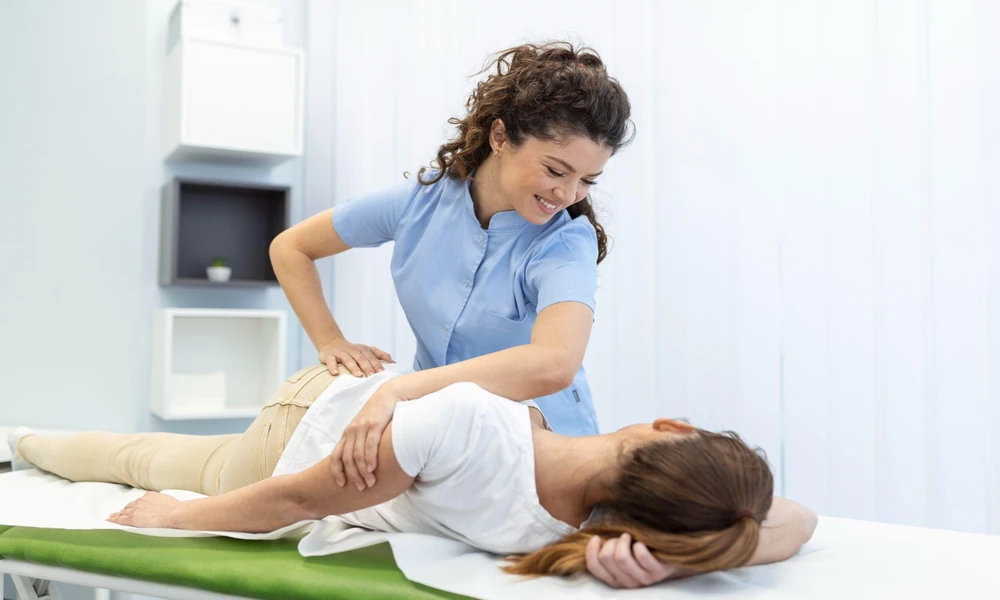
Manual therapy may also form part of the rehabilitation process when appropriate. Hands-on techniques combined with guided exercises can improve mobility and reduce stiffness effectively.
These conservative interventions allow patients to participate more comfortably in their recovery. Gradual progression supports long-term health without straining the spine.
Why Every Treatment Plan Should Be Individualised
No two spinal conditions present in exactly the same way. Some people mainly experience localised back pain while others develop numbness, tingling or weakness extending into the limbs. Since structural damage varies across different patients, matching specific clinical findings with slipped disc treatment ensures that someone with a physically demanding job receives a safe rehabilitation strategy.
Regular reviews remain an important part of care. Progress is monitored carefully so exercises can be adjusted according to improvements or ongoing symptoms.
A flexible approach helps ensure rehabilitation remains both safe and effective throughout recovery. Monitored therapy options adapt dynamically as physical strength returns.
When Physiotherapy May Not Be Enough
Although physiotherapy benefits many patients, conservative care is not always sufficient. Persistent pain that fails to improve after an appropriate period of rehabilitation may indicate that further investigation is required. Progressive neurological symptoms also deserve prompt medical attention.
Severe weakness, significant loss of sensation or changes in bladder and bowel function require urgent assessment because they may suggest serious nerve compression. Under these circumstances, additional imaging and specialist evaluation become important in determining the next step.
Consultation with a spine surgeon in Singapore may be recommended when symptoms remain severe despite conservative management or when neurological deficits continue to worsen. A specialist can review imaging findings alongside clinical symptoms before discussing suitable treatment options.
Working Together for Better Outcomes
Successful care often involves collaboration between different healthcare professionals. Physiotherapists, primary care doctors and spine specialists each contribute valuable expertise throughout diagnosis, rehabilitation and ongoing management. Working together allows treatment decisions to reflect both clinical findings and patient needs.
Education also plays a meaningful role during rehabilitation. Patients who understand their condition are generally better prepared to participate actively in exercises, recognise warning signs and communicate changes in their symptoms. Clear guidance supports realistic expectations throughout recovery.
Should conservative management prove insufficient, referral to a spine surgeon in Singapore allows further discussion about advanced treatment options. Even when surgery becomes necessary, physiotherapy often continues before and after the procedure to optimise mobility and overall function.
Conclusion
Physiotherapy remains an effective option for many people seeking slipped disc treatment, particularly when symptoms are identified early and managed with an individualised rehabilitation programme. Careful assessment, targeted exercises and regular monitoring help many patients improve without requiring surgery.
At the same time, recognising when rehabilitation alone is no longer enough is equally important. Persistent pain, worsening neurological symptoms or significant functional limitations deserve specialist evaluation so the most appropriate treatment pathway can be determined.
Contact Dr. Wu Pang Hung to arrange a professional assessment and receive personalised guidance on the most appropriate treatment options for your spinal condition.