
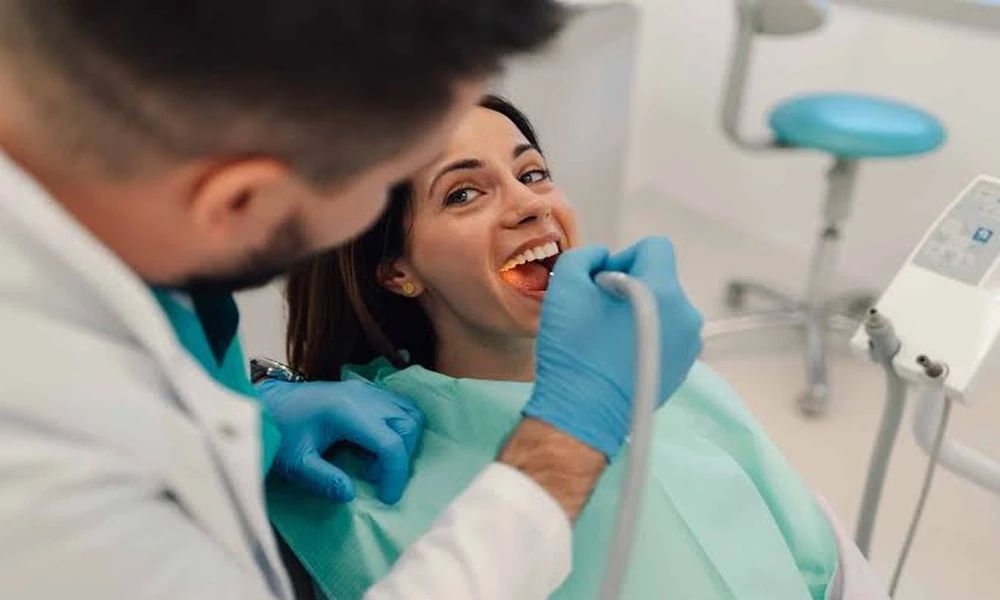
You brush, you remind the kids to brush, you buy the floss, and somehow dental care can still feel like one more thing that slips when life gets crowded. School schedules change, work runs late, someone chips a tooth at practice, and a routine cleaning turns into a conversation about cavities that could have been avoided. That is the frustrating part. Most families are not ignoring oral health. They are trying to keep up. Botox for jaw pain in Glen Carbon, IL
A few clear goals can make family dental care feel less scattered and more manageable. The aim is not perfection. It is catching small problems early, building habits that stick, and avoiding the cost and stress that come with preventable dental issues. These five goals give you a practical way to do that, whether you are caring for toddlers, teens, or older adults under one roof.
Preventive dental goals work best when they are simple and repeatable
Families often think of dental care as brushing twice a day and showing up when something hurts. That is usually where the trouble starts. Tooth decay and gum disease do not always announce themselves right away. A child can have early enamel wear with no complaint at all. An adult can have bleeding gums for months and assume it is normal. By the time pain shows up, treatment is usually more involved and more expensive.
The first goal is scheduling dental exams and cleanings for every family member each year, or more often if your family dentist recommends it. Preventive visits create a record of changes over time. They also give your dentist a chance to spot grinding, crowding, weak brushing habits, and early decay before those issues turn into fillings, crowns, or emergency appointments.
The second goal is improving daily brushing and flossing habits at home. This sounds basic because it is basic, but basic does not mean easy. Many parents know the nightly routine can unravel fast when a child is tired or resistant. Adults do the same thing in a quieter way. You mean to floss, then skip it for three nights, then a week. Consistency matters more than intensity. The CDC’s oral health tips for adults reinforce the same pattern dentists see every day, regular brushing with fluoride toothpaste, daily flossing, and routine care lower the risk of decay and gum disease.
The third goal is cutting back on the habits that keep feeding dental problems. Frequent snacking, sugary drinks, sports drinks, and sipping juice throughout the day all give cavity causing bacteria more chances to do damage. This is where many families feel caught off guard. You may already limit candy, but a child who drinks juice boxes, chews sticky fruit snacks, and grazes after school can still have a high cavity risk.
Annual family oral health goals should include protection, not just cleaning
The fourth goal is asking about sealants and other protective treatments when they make sense. Dental sealants can be especially helpful for children because molars have deep grooves that hold food and bacteria. According to the National Institute of Dental and Craniofacial Research on dental sealants, sealants help protect back teeth from decay by covering those hard to clean surfaces. If your child brushes well but still gets cavities in molars, this is often the missing layer of prevention.
The fifth goal is replacing the habit of waiting with the habit of responding early. If a tooth feels sensitive, if gums bleed often, if bad breath does not improve, if a child complains that chewing hurts, those signs deserve attention. Families save money and stress when they stop treating dental symptoms like something to watch forever. Early care is usually simpler care.
This is where preventive dental care for families becomes less about ideal routines and more about reducing avoidable problems. A small cavity is easier to treat than a deep one. A sports mouthguard costs less than repairing a broken front tooth. A short hygiene visit feels very different from a long appointment for treatment your child fears.
Yearly dental prevention goals are easier to manage when you can see the payoff
| Annual Goal | What It Helps Prevent | What Happens When It Gets Delayed |
|---|---|---|
| Schedule routine exams and cleanings | Undetected cavities, gum inflammation, plaque buildup | More treatment, higher costs, surprise dental pain |
| Brush twice daily and floss once daily | Tooth decay between teeth, gingivitis, bad breath | Bleeding gums, enamel damage, more frequent cavities |
| Reduce sugary drinks and constant snacking | Frequent acid attacks on enamel, cavity formation | Higher decay risk even with regular brushing |
| Ask about sealants and mouthguards | Molar cavities, sports related dental injuries | Cracked teeth, preventable fillings, emergency visits |
| Address symptoms early | Worsening decay, infection, advanced gum problems | Root canals, extractions, missed school or work |
Most families do not need a perfect system. They need one that survives real life. That often means pairing habits with things you already do, brushing right after pajamas go on, putting floss picks where teens actually sit, keeping water bottles in the car instead of sports drinks, and booking the next cleaning before you leave the office. preventive dentistry goals hold up better when they fit your routine instead of fighting it.
Small changes in your dental routine create a stronger prevention plan
Set one family dental calendar date. Pick a month each year for cleanings, exams, and follow ups. If your family needs staggered appointments, keep them in the same season. That makes it easier to remember and easier to plan around school and work.
Audit the daily habits that keep causing problems. Look at what happens between meals, not just at brushing time. Juice before bed, grazing on crackers, skipping floss, and sharing water bottles with sugary residue all add up. Change one habit first. A small fix done daily beats a big plan that fades in a week.
Use your dentist as a prevention partner. Ask direct questions at each visit. Is anyone showing early signs of cavities? Are sealants a good idea? Is grinding wearing teeth down? Does anyone need fluoride treatment, orthodontic evaluation, or a mouthguard? A family dentist can help you focus on the risks that actually apply to your household.
Steady preventive care gives families fewer surprises and more control
Dental health feels easier when it stops being reactive. You do not need to solve everything at once. Start with the five goals that matter most, routine visits, stronger home care, less sugar exposure, added protection when needed, and faster action when symptoms show up. That is enough to lower risk, cut down on stress, and give your family a healthier year.
If your family is ready to set better dental habits this year, schedule a visit with a trusted family dentist and turn these goals into a plan you can actually keep.