
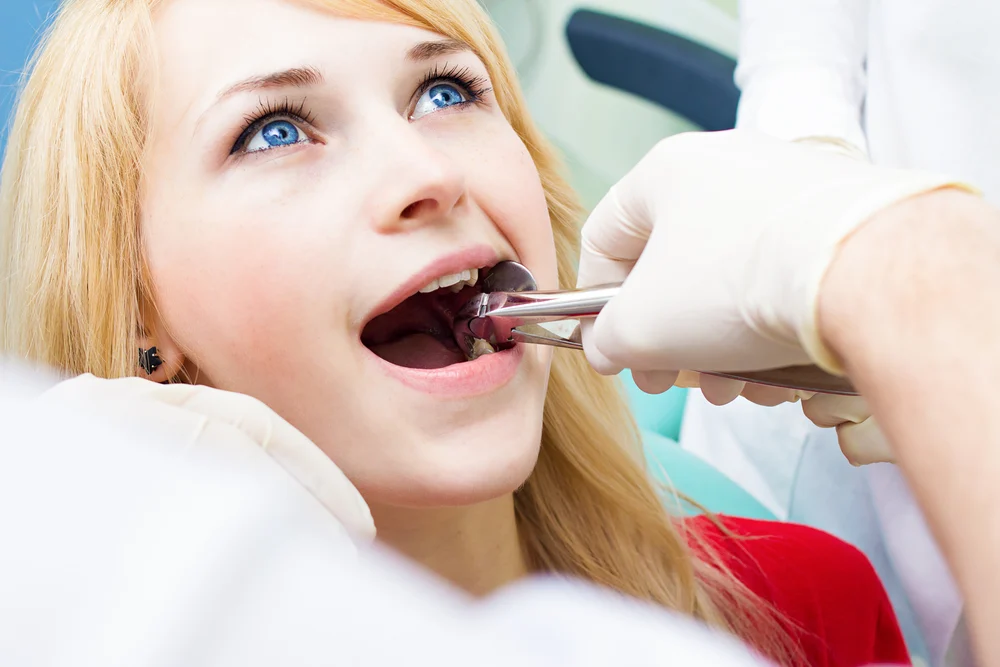
Third molars at the rear of the mouth that don’t have enough room to erupt or grow normally are called impacted wisdom teeth. Wisdom teeth are the final adult teeth to emerge from the gums (erupt). The average person has four wisdom teeth at the rear of their mouth, two on top and two on bottom. Wisdom teeth that have been impacted can cause discomfort, damage to neighbouring teeth, and other dental issues. In some circumstances, wisdom teeth that are impacted create no obvious or immediate concerns. However, because they’re difficult to keep clean, they’re more susceptible to tooth decay and gum disease than other teeth.
Wisdom teeth that have become impacted and are causing pain or other dental issues are routinely removed. To avoid future difficulties, some dentists and oral surgeons advocate removing impacted wisdom teeth that don’t produce symptoms.
Characteristics
Wisdom teeth that are impacted do not always produce symptoms. You may encounter any of the following indications or symptoms if an impacted wisdom tooth becomes infected, destroys other teeth, or causes other dental problems:
- Gums that are red or swollen
- Gums that are tender or bleeding
- Jaw ache
- Swelling around the mouth and jaw
- Breath problems
- You have a bad taste in your mouth.
- You’re having trouble opening your mouth.
Impacted Wisdom Teeth Treatment and Removal
Ignoring the warning signals of an impaction and allowing your wisdom teeth to grow uncontrolled can be harmful to your general health. Even if you don’t have any symptoms, it’s necessary to visit the dentist on a regular basis to have your teeth examined. If you have impacted wisdom teeth, theDentist Glen Waverleyclinic can provide skilled wisdom teeth removal techniques as well as the finest oral care recommendations
Injury to the Soft Tissues
The lips, gums, insides of the cheeks, and tongue are all soft tissues in the mouth. If children’s have an injury to one of these structures, call your Children’s Dentist for advice on where to go. Some situations may need the use of an emergency dentist, while others may necessitate a trip to the emergency hospital. Before applying pressure to stop bleeding, soft tissue injuries such as lacerations, punctures, and rips should be washed with warm water.
Dental Restorations That Are Missing or Are Loose
Both fixed and interim restorations can become loose or fall out, while temporary restorations are significantly more common. They both require emergency dental care, regardless of the method of repair. You will need to bring in the restoration for a lasting repair. You might be able to maintain a temporary repair in place using Vaseline, chopstick, or denture glue until you visit your dentist. Overall, dental emergencies include toothaches, chipped, broken, loose, or missing teeth, soft tissue injuries, and missing dental restorations and dental implants palatine il. If you or a member of your family suffers from one of these dental emergencies, make an appointment with an emergency dentist right once.