
The Science Behind Plasma Donation: Why It Matters
The Role of Plasma in Medical Treatments
Plasma, the liquid component of blood, is a clear straw-colored fluid that constitutes about 55% of blood’s volume. It is a remarkable substance that plays a critical role in numerous medical treatments. Plasma contains essential proteins, electrolytes, hormones, and waste products, and it is instrumental in the body’s healing processes. The proteins in plasma include clotting factors, immunoglobulins, and albumin, which are vital for maintaining blood volume, immunity, and nourishment to cells. The importance of plasma transcends basic bodily functions; in contemporary medicine, it serves as a key ingredient in therapies for various serious health conditions.
For instance, plasma-derived medications are vital for patients with hemophilia, a condition where blood does not clot properly. By donating plasma, individuals can help produce clotting factors that drastically improve the quality of life for those afflicted. Additionally, plasma is crucial for individuals with severe liver diseases or burns as it helps in blood volume restoration and the healing of tissues. In times when alternative therapies are limited, plasma donation stands as a beacon of hope, illustrating that the remarkable components within our own bodies can, indeed, be lifesaving.
Understanding the Plasma Donation Process: What to Expect
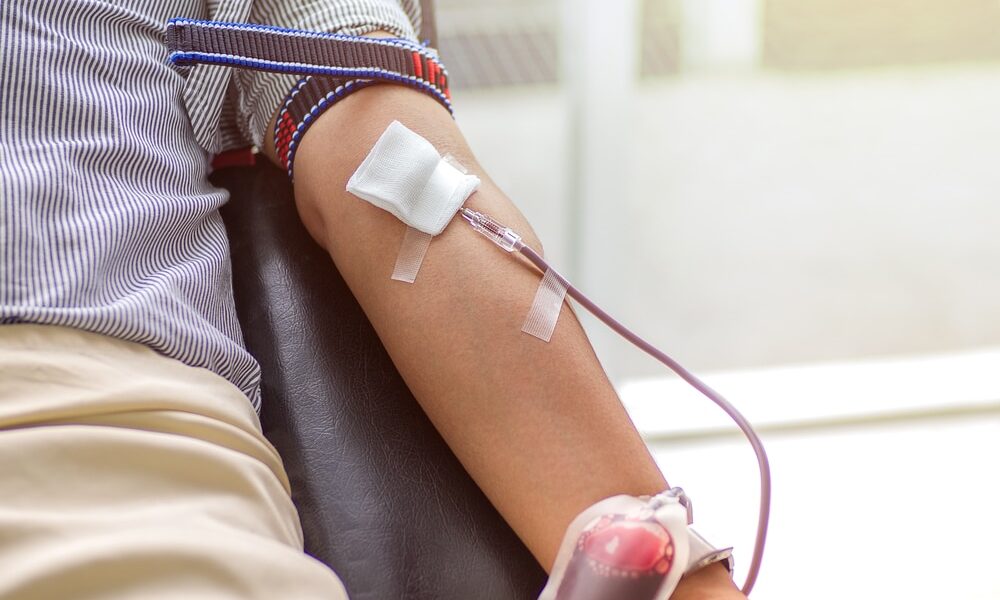
The plasma donation process is streamlined and designed to ensure the safety and comfort of donors. When a donor arrives at a donation center, they undergo a brief health screening, which includes questions about their medical history and a quick physical exam to check blood pressure, pulse, and temperature. The actual donation process involves a separate collection of plasma from the blood using a procedure called plasmapheresis, a process that can take around 45 minutes to an hour. During plasmapheresis, blood is drawn from one arm, processed through a machine that separates plasma from red blood cells, white blood cells, and platelets, and then returned to the donor through the same or the other arm.
One might understandably feel apprehensive about the idea of donating plasma, but it is a safe and sterile procedure performed by qualified medical professionals. While some donors report minor discomfort during the needle insertion, the vast majority experience little to no pain throughout the process. Being well-hydrated and nourished ahead of time can significantly enhance comfort levels, making the experience smoother. After donation, centers often encourage donors to rest and replenish fluids with provided refreshments, reaffirming commitment to their wellbeing throughout the donation experience.
Dispelling Myths: Common Misconceptions about Plasma Donation
Despite the critical importance of plasma donation, numerous myths and misconceptions persist, often deterring potential donors. One pervasive myth is that donating plasma is the same as donating whole blood, leading individuals to believe that it is equally dangerous or painful. In reality, the plasma donation process is designed to be a safe and comfortable experience, as outlined previously. Another common misconception is that plasma donation can result in weight loss or severe fatigue. On the contrary, most donors feel rejuvenated post-donation and often return to their daily activities without a hitch. It can also be misleading to think that plasma donation is a lengthy process; it’s relatively quick, efficiently designed for donor convenience. By arming ourselves with accurate information, we cultivate a more informed community willing to engage in such a crucial and selfless act.
Finding Plasma Donation Centers in Glassboro: Your Guide
A Comprehensive List of Local Donation Centers
For those interested in glassboro plasma donation, several centers are conveniently available, each playing an important role in supporting healthcare services and meeting community needs. Well-known plasma donation providers such as Vitalant and CSL Plasma operate established locations where eligible donors can contribute on a regular basis. In addition, the Blood Bank of Delmarva identifies nearby donation sites, further improving access for community members seeking plasma donation opportunities. It is always advisable to contact these centers directly or visit their official websites to confirm operating hours, appointment availability, and any specific requirements set by each facility.
Many of these organizations also host community events and educational programs related to plasma donation, helping donors stay informed while fostering a stronger sense of local involvement. Moreover, most centers offer convenient online scheduling tools, making it easier to arrange donation appointments around even the busiest schedules.
What to Look for in a Plasma Donation Center
Choosing the right plasma donation center is crucial for a positive experience. Key factors to consider include the center’s accreditation, staff professionalism, cleanliness, and the overall atmosphere of the facility. An accredited donation center signifies that it meets specific health and safety standards required by regulatory agencies, ensuring that both donors and recipients are well-protected. Staff professionalism is equally important; friendly, trained personnel can significantly alleviate any apprehensions and guide donors through the process, making it more comfortable for first-timers. Cleanliness should also be a priority; a well-maintained center not only promotes safety but also demonstrates a commitment to donor health. Finally, the atmosphere of the center should feel welcoming and supportive, as a positive environment can make the experience enjoyable and encourage repeat donations.
Scheduling Your Appointment: Tips for a Smooth Experience
Once you’ve identified a suitable plasma donation center, scheduling an appointment is next. Online booking is usually available and often recommended to eliminate wait times at the center. Before heading in for your appointment, ensure you’re adequately prepared: drink plenty of water the day before and consume a wholesome meal a few hours prior. Keeping hydrated helps maintain blood volume and may ease the donation process, while adequate nutrition bolsters energy levels. Set aside time for the process while factoring in check-in, donation, and any necessary post-donation rest. By being punctual, you not only help the center run efficiently but also demonstrate respect for other donors’ time. Finally, maintaining a good attitude can make a significant difference. Approach your appointment with an open mind, and you may find yourself pleasantly surprised by the entire experience!
The Impact of Your Donation: Stories That Inspire
Real-Life Stories: How Plasma Donations Save Lives
The impact of plasma donations extends far beyond the walls of donation centers; it permeates the lives of countless individuals who benefit from these life-saving contributions. One poignant example is that of Sarah, a mother of two whose life was forever altered due to a severe autoimmune condition. After a series of health complications, Sarah’s doctors determined she required intravenous immunoglobulin (IVIG) therapy an infusion derived primarily from donated plasma. Her treatment relied significantly on donations from anonymous plasma donors, allowing her to regain her health and her role as a full-time parent. Stories like Sarah’s illustrate the tangible impacts plasma donations have in real lives.
Moreover, plasma donations also play a critical role for burn victims who often face prolonged recoveries. The proteins provided by plasma can assist in wound healing and tissue regeneration, eventually improving recovery outcomes. Another powerful narrative is that of John, a firefighter who suffered life-altering burns in a rescue mission. Thanks to the generous contributions of plasma donors, emergency hospitals can promote faster healing, offering hope during even the most devastating circumstances. Sharing such stories underscores the urgency and transformative potential of plasma donation, helping to foster an authentic connection with donors and recipients alike.
The Ripple Effect: Community Benefits of Plasma Donation
The significance of plasma donation goes beyond individual stories it ripples throughout the community, creating an overall healthier society. Each plasma donation not only supports the immediate medical needs of patients but also bolsters local health systems, empowering healthcare institutions to provide comprehensive care. When communities actively participate in plasma donation, it nurtures a culture of altruism and responsibility, fostering a collective spirit of compassion. Plasma donation events can invigorate neighborhoods, promoting unity as people come together for common goals.
Moreover, donation centers often collaborate with local charities to arrange blood drives or fundraising campaigns, establishing thriving partnerships that significantly benefit community health. Increased awareness surrounding plasma donation can also lead to enhanced health literacy, encouraging residents to think proactively about their wellbeing. This layered impact not only can save lives but also contributes to preventative healthcare efforts and supports local economies associated with health services.
Meet the Recipients: Faces Behind the Need for Plasma
Behind every plasma donation lies a story of dependency and hope, and getting personal with recipients can highlight the urgent necessity for continual community engagement in plasma donation. Many donors have shared transformative encounters with individuals profoundly affected by their contributions. Meeting recipients can humanize the process and reaffirm the significance of the donor’s time and sacrifice. Through initiatives where donors are connected with recipients, the emotional weight of the act resonates stronger, fostering a deeper connection and commitment to ongoing support.
One initiative in Glassboro highlights this connection by allowing donors to participate in events where they can meet and hear from recipients directly. Witnessing the joy and gratitude expressed by recipients serves as a poignant reminder that every donation directly influences real lives. These face-to-face interactions not only empower the community’s sense of purpose but also actively encourage more individuals to consider donating plasma, sustaining the cycle of giving and receiving.
Making Plasma Donation a Part of Your Routine
Building a Donation Habit: Tips for Regular Donors
Establishing a routine around plasma donation is not only beneficial for health services and communities but can also foster personal benefits for regular donors. Consistency is key; aim for a specific schedule, perhaps bi-weekly or monthly, to streamline the process and make it a habit. First-time donors might consider setting reminders on their phones or maintaining a calendar specifically for donation dates. This practice cultivates an unwavering commitment not just to personal goals but to community welfare.
Moreover, tracking your donations can enhance accountability and celebration. By recording how many times you’ve donated, you can set personal targets or milestones. Many donation centers also acknowledge consistent donors through recognition programs or appreciation events. Such recognition serves not only as motivation but also emboldens mutual respect within the donor community. Building donation habits effortlessly links personal wellbeing with enhanced social consciousness, allowing you to understand that by donating, you are engaging in a noble act of service.
Incentives and Rewards: Getting More from Your Donation Experience
Many plasma donation centers implement various incentive programs to encourage regular donations and reward donors for their contributions. These incentives can vary from center to center, encompassing financial compensation, gift cards, or various promotional giveaways for frequent donors. Such initiatives have proven effective in boosting participation and ensuring donation stability in the community. Programs may include referral bonuses for bringing in new donors, making it easy and exciting for regular donors to contribute to expanding the donor pool.
Additionally, joining a loyalty program might offer long-term rewards that accumulate over time, such as merchandise, event tickets, or exclusive community gatherings. A sense of community can also be established through host events that reward collaboration, fueling a spirit of camaraderie among individuals donating for a common cause. Donors who find intrinsic reasons to give coupled with external rewards often lead to a fulfilling dual experience, reinforcing their commitment to the substantial cause of plasma donation.
Connecting with the Donor Community: Networking and Support
The journey of becoming a plasma donor can be enriched through connection with others who share the same passion. Plasma donation centers often foster community engagement by organizing events or support groups where donors can share experiences and insights, creating a supportive ecosystem. Through these channels, donors can discuss challenges, share success stories, and motivate each other to continue their donation endeavors. Additionally, social media groups focused on plasma donation can provide a platform for individuals to connect, ask questions, and receive encouragement. Participating in such online communities allows donors to learn about the latest news in plasma donation, including research, developments, and upcoming events.
Furthermore, forming bonds with fellow donors cultivates a strong foundation of support, reinforcing individual commitments to giving. These connections don’t merely enhance your donation experience; they can turn your acts of kindness into a shared movement with broader impact. Individuals discussing their motivations can inspire new donors to embark on their unique journeys. Connecting with a wider donor network embodies the spirit of unity, reinforcing that together, through shared experiences and encouragement, we can make a significant difference in the health and welfare of our community.