
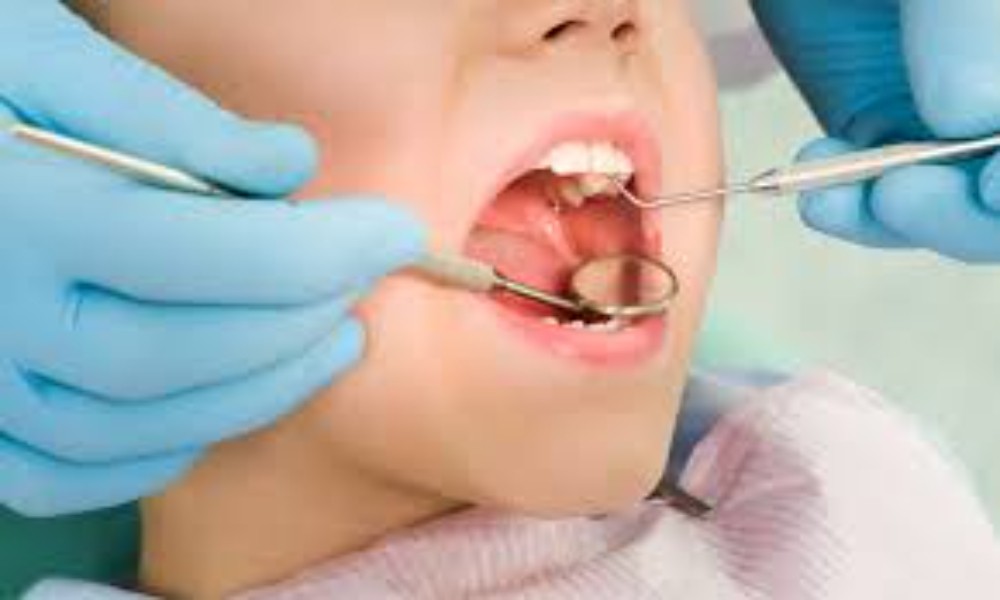
A smile makeover can improve the appearance of teeth that are chipped, stained, uneven, mildly spaced, worn down, or slightly irregular in shape. Two common options discussed during cosmetic dental consultations are veneers and composite bonding. Both can improve the look of a smile, but they differ in material, procedure, durability, cost, maintenance, and suitability.
Many patients begin by asking which option is better. The more useful question is which option suits their teeth, expectations, budget, and long-term oral health. A consultation at a Smile Makeover clinic in Lower Parel can help patients understand whether veneers, composite bonding, whitening, orthodontic correction, or a combined plan is more appropriate.
What Are Veneers?
Veneers are thin coverings placed on the front surface of teeth to improve their appearance. They are usually made of porcelain or ceramic, although other materials may also be used in some cases. Veneers can change the colour, shape, length, and visible alignment of teeth.
They are often considered for teeth that are deeply stained, mildly uneven, chipped, slightly gapped, worn, or irregular in shape. Porcelain veneers are known for their natural appearance and ability to reflect light in a way that resembles tooth enamel.
The procedure usually involves planning, shade selection, tooth preparation, impressions or digital scans, and final bonding. In many cases, a small amount of enamel may need to be removed so the veneer can fit properly and look natural.
What Is Composite Bonding?
Composite bonding uses a tooth-coloured resin material that is applied directly to the tooth and shaped by the dentist. The material is then hardened with a special light and polished to blend with the surrounding teeth.
Bonding is often used for small chips, minor gaps, uneven edges, discolouration, or slight shape correction. It can usually be completed faster than veneers and may require little or no enamel removal, depending on the case.
Composite bonding can be a good option for patients who want a conservative improvement without committing to a more extensive cosmetic procedure immediately. However, the material may stain, chip, or wear faster than porcelain.
Appearance and Aesthetic Results
Both veneers and composite bonding can improve smile appearance. Veneers generally offer more control over shade, shape, symmetry, and surface finish, especially when several front teeth are being treated. They may provide a more polished and long-lasting aesthetic result for patients seeking a fuller smile transformation.
Composite bonding can also look very natural when performed carefully. It is particularly useful for small corrections. For example, a minor chip on one front tooth may be repaired beautifully with bonding.
The best aesthetic result depends on tooth position, bite, gum line, smile width, facial features, and the skill of the dentist. A smile makeover should be planned with the whole face in mind, rather than only focusing on individual teeth.
Tooth Preparation
One of the major differences is the amount of tooth preparation required. Veneers may require removal of a thin layer of enamel. This helps create space for the veneer and prevents the tooth from looking bulky. Since enamel does not grow back, veneer treatment is usually considered a long-term commitment.
Composite bonding often requires minimal preparation. In some cases, the tooth surface is simply cleaned, lightly prepared, and bonded with resin. This makes it a more conservative option for suitable cases.
Patients who are concerned about preserving natural tooth structure should discuss this clearly with their dentist. The most conservative option that can meet the patient’s goals is usually preferred.
Durability and Maintenance
Porcelain veneers are generally more durable and stain-resistant than composite bonding. With good care, they can last for many years. However, they can still chip or break if exposed to excessive force, teeth grinding, nail biting, or biting hard objects.
Composite bonding usually has a shorter lifespan. It may stain from tea, coffee, tobacco, wine, or strongly coloured foods. It may also need polishing, repair, or replacement over time. This does not mean bonding is a poor option. It can be very useful when selected for the right case and maintained properly.
Patients should avoid using their teeth to open packets, bite pens, chew ice, or crack hard foods. Those who grind their teeth may need a night guard to protect cosmetic dental work.
Cost Considerations
Composite bonding is usually more affordable than porcelain veneers. Since it can often be completed in fewer visits and does not require laboratory-made restorations, the initial cost may be lower.
Veneers usually cost more because they involve detailed planning, laboratory work, high-quality materials, and more precise customisation. However, their longer lifespan may make them suitable for patients seeking a more durable solution.
Cost should be considered along with longevity, maintenance, repair needs, and the patient’s expectations. The cheapest option may not always be the most suitable, and the most expensive option may not be necessary for every smile.
Suitability for Different Dental Concerns
Composite bonding may be suitable for small chips, minor spacing, slight unevenness, and limited shape correction. It may also be useful for younger patients or those who want a reversible or conservative improvement where possible.
Veneers may be suitable for deeper staining, multiple visible imperfections, worn teeth, shape correction, and broader smile design. They may also be considered when bonding would not provide enough strength, shade stability, or surface quality.
However, neither option is ideal if there is active gum disease, untreated cavities, severe misalignment, poor oral hygiene, or an unstable bite. These issues should be treated first. Cosmetic dentistry works best when the foundation is healthy.
What About Teeth Whitening?
Some patients may need teeth whitening before veneers or bonding. This is because veneers and bonding materials do not whiten like natural teeth after placement. If a patient wants a brighter smile, whitening may be done first, followed by shade matching for bonding or veneers.
A dentist can advise whether whitening alone is enough or whether additional cosmetic treatment is needed.
Questions to Ask Your Dentist
Before choosing between veneers and bonding, patients should ask: What is the condition of my enamel? Is my bite suitable? Do I grind my teeth? How many teeth need treatment? How long will the result last? Will any tooth preparation be required? Can the treatment be repaired later? What maintenance will I need?
Patients should also ask to see possible smile designs, photographs of similar cases if available, and a clear explanation of limitations.
Conclusion
Veneers and composite bonding can both improve the appearance of a smile. Veneers are often chosen for more comprehensive and durable smile changes, while composite bonding is useful for conservative correction of smaller imperfections. The right choice depends on tooth condition, cosmetic goals, budget, bite, oral hygiene, and long-term expectations.
A careful dental consultation can help patients compare both options and choose a smile makeover plan that looks natural, feels comfortable, and protects oral health.