
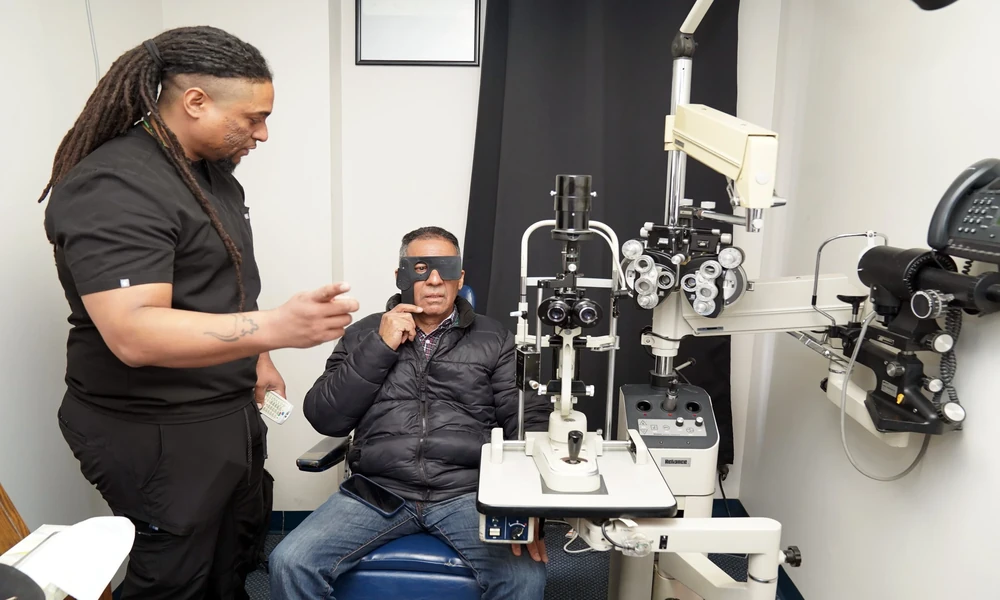
A regular eye examination is not only about checking whether you need glasses. Eye exams can also help detect conditions such as glaucoma, diabetic eye disease, cataract and other vision problems before they become severe. The American Academy of Ophthalmology explains the importance of comprehensive eye exams for detecting eye disease and protecting vision. Read the overview here: American Academy of Ophthalmology eye exam guidance.
Many people visit an eye clinic only when their vision becomes blurry. This is understandable, but it can delay diagnosis. Some eye problems do not cause clear symptoms in the early stage.
An eye examination may include vision testing, refraction for glasses, eye pressure check, eye surface assessment, retina examination and other tests based on age, symptoms and medical history.
People with diabetes should be extra careful. Diabetes can affect the retina at the back of the eye. In the early stage, diabetic eye disease may not cause pain or obvious vision loss.
People with a family history of glaucoma also need regular checks. Glaucoma can damage the optic nerve slowly. Many patients do not notice vision loss until the disease has progressed.
Children also need eye checks. A child may not always say that they cannot see clearly. They may sit close to the television, avoid reading, complain of headaches or perform poorly in school because of uncorrected vision problems.
Adults who work on screens for long hours may need assessment for eye strain, dry eye and prescription changes. The solution is not always just a stronger pair of glasses.
For readers who want to understand clinic-based eye assessment, Phiroze M. Dastoor & Co. provides information about its specialist eye care services.
Regular eye examinations help protect vision by finding problems early. They are especially important for children, older adults, people with diabetes and anyone with new eye symptoms.
Medical note: Seek urgent eye care for sudden vision loss, severe eye pain, eye injury, flashes of light, new floaters, double vision or a red painful eye.