
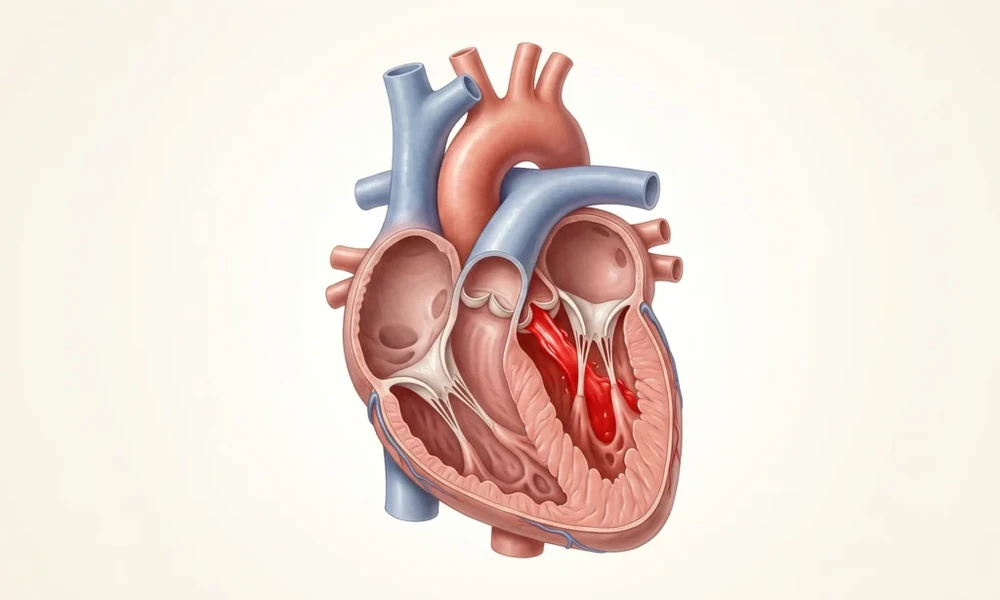
Ejection fraction describes how much blood the heart’s main pumping chamber pushes out with each contraction. It is one part of a heart-failure assessment, not the complete diagnosis. The 2022 heart-failure management guideline provides patient-centred recommendations for diagnosing and treating heart failure based on pumping function, symptoms, disease stage and other medical conditions.
A low ejection fraction may develop after a heart attack, long-standing high blood pressure, heart-muscle disease, valve disease, infection or certain rhythm problems.
Some medicines and cancer treatments can also affect heart function. In other cases, the cause may remain uncertain.
Common symptoms include breathlessness during activity, tiredness, swelling of the feet, reduced exercise tolerance and rapid weight gain caused by fluid.
Some people experience difficulty breathing when lying flat or wake at night feeling breathless.
An echocardiogram is commonly used to measure ejection fraction and examine heart structure. Doctors may also use an ECG, blood tests, chest imaging or coronary investigations.
Treatment is not based on the ejection-fraction number alone. The cause, symptoms, blood pressure, kidney function and ability to tolerate medicines all matter.
People with reduced pumping function may need a combination of medicines. Each medicine has a different purpose, such as reducing workload, controlling fluid or improving long-term outcomes.
Take medicines consistently. Stopping them when symptoms improve can lead to worsening heart failure.
Some people need devices or procedures. These may include treatment for a valve problem, a pacemaker, a defibrillator or a procedure for coronary disease.
Physical activity can be helpful when the condition is stable. Cardiac rehabilitation may offer a monitored way to build strength and confidence.
People should not begin intense exercise when they have new swelling, breathlessness at rest, chest pressure or rapid unexplained weight gain.
Daily weight records may help identify fluid retention. The treating team can provide instructions about when a change should be reported.
Salt and fluid advice should be personalised. Extreme fluid restriction can be harmful when it has not been medically recommended.
Madhavbaug provides information about its integrative heart-care programme. Readers can learn more about its clinical approach through the Madhavbaug homepage.
Seek emergency care for severe breathlessness at rest, fainting, blue lips, chest pressure, confusion or symptoms that worsen rapidly.
A low ejection fraction requires continuing medical supervision. Complementary treatment should not replace guideline-directed heart-failure care.