
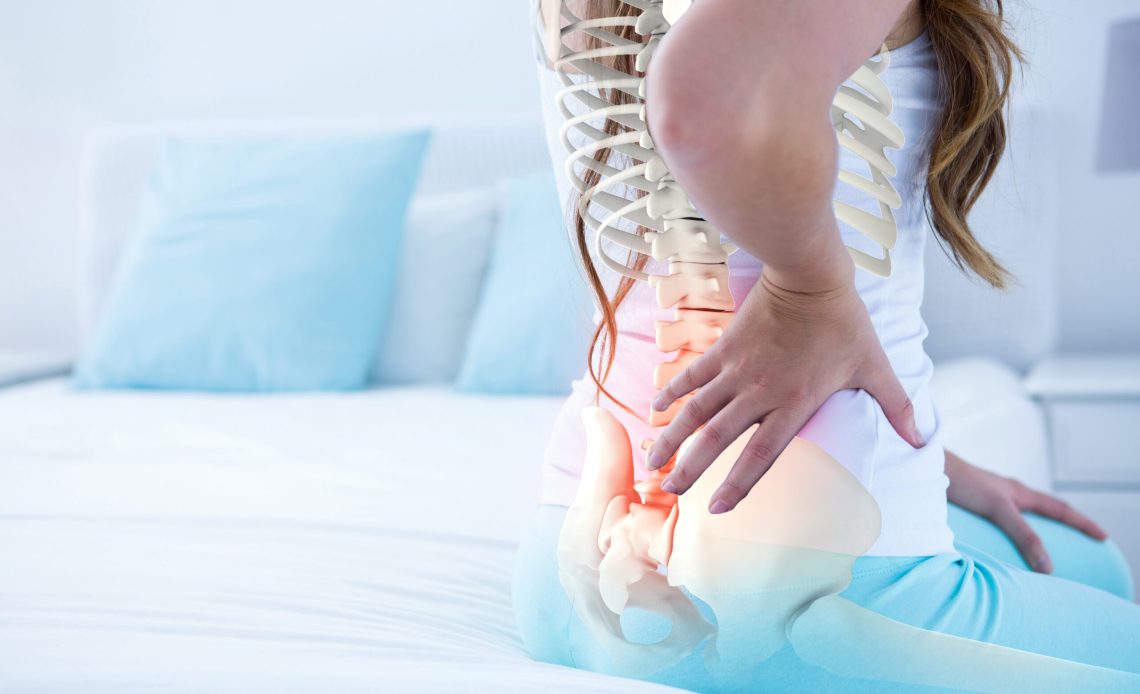
Sciatica is one of the most common reasons patients seek urgent medical attention for lower back and leg pain. Characterized by a sharp, electric, or burning sensation that radiates from the lumbar spine down through the gluteal region and into the lower leg, it can instantly disrupt an individual’s quality of life. Because the pain can be intense, many patients initially reach for quick solutions, relying on high-dose anti-inflammatory medications, superficial heat therapies, or temporary physical adjustments to mask the discomfort.
However, masking the pain does not address the underlying issue. Sciatica is not a standalone disease; it is a clinical symptom indicating a structural compression or irritation of the sciatic nerve roots in the lower back. To achieve permanent relief, patients must shift away from superficial symptom management and adopt a comprehensive diagnostic and therapeutic strategy directed by a dedicated neurospinal hospital. Treating the spine as a complex, interconnected system is the only way to resolve chronic sciatica long-term.
The Anatomy of Compression: Why Localized Treatments Fail
To understand why basic therapies often fail, it is essential to look at the structural mechanics of the lumbar spine. The sciatic nerve is the largest and longest nerve in the human body, formed by the union of five distinct nerve roots originating in the lumbar and sacral segments of the spinal cord.
When a patient experiences sciatica, the nerve is usually being compressed at the source within the spinal column. The most common structural triggers include:
-
Lumbar Disc Herniation: The soft, gelatinous inner core of an intervertebral disc pushes through a tear in the tough outer ring, directly pressing against an adjacent nerve root.
-
Spinal Stenosis: A gradual narrowing of the spinal canal or the lateral openings (foramina), which pinches the nerve pathways due to bone spurs or arthritic changes.
-
Spondylolisthesis: A structural slip where one vertebral body slides forward over the bone beneath it, mechanically trapping the nerve space.
Because these issues are mechanical and structural, global anti-inflammatory medications or localized heating pads applied to the leg cannot fix the problem. They mask the sensory transmission of pain temporarily, but the structural impingement remains, frequently leading to progressive nerve inflammation and potential long-term damage.
Precision Diagnostics: The Foundation of Lasting Recovery
A specialized neurospinal hospital approaches sciatica by focusing on diagnostic precision. Before any sciatica treatment plan is designed, clinicians utilize advanced imaging and neurophysiological testing to map out the exact millimeter of nerve entrapment.
Advanced Diagnostic Protocols:
-
High-Resolution MRI (Magnetic Resonance Imaging): Utilizing 3-Tesla MRI technology allows neuroradiologists to view soft tissues with incredible clarity. This clarifies whether the nerve irritation is caused by a soft disc fragment, a calcified bone spur, or localized ligament thickening.
-
Dynamic Digital X-Rays: Capturing the lumbar spine in motion (flexion and extension) helps specialists identify subclinical spinal instability or micro-slippage that standard static scans might miss.
-
Electromyography (EMG) and Nerve Conduction Studies: These neuro-physiological tests evaluate the electrical health of the sciatic nerve. By measuring how fast an electrical signal moves through the nerve fibers, a neurologist can determine the absolute severity of the nerve compression and check for early signs of axon damage.
The Progressive Treatment Continuum: From Conservative to Minimally Invasive
A dedicated spinal facility avoids a one-size-fits-all approach. Instead, patients navigate a carefully managed, progressive pathway designed to maximize therapeutic outcomes while minimizing procedural risks.
Phase 1: Specialized Functional Rehabilitation
Initial conservative treatment involves specialized physical therapy that goes beyond basic stretching. Core stability programs focus on strengthening the deep stabilizing muscles of the spine (the multifidus and transversus abdominis) to naturally decompress the lumbar segments.
Phase 2: Image-Guided Interventional Pain Management
If mechanical pain prevents a patient from participating in physical therapy, interventional specialists utilize targeted injections. Rather than blind trigger-point shots, physicians perform transforaminal epidural steroid injections under real-time fluoroscopic (X-ray) guidance. This delivers concentrated anti-inflammatory medication directly into the epidural space surrounding the pinched nerve root, neutralizing localized swelling and breaking the chronic pain cycle.
Phase 3: Ultra-Minimally Invasive Endoscopic Spine Surgery
For patients with severe structural compression that fails to respond to conservative care, advanced surgical options are available. Modern neuro spinal hospitals specialize in endoscopic microdiscectomy. Through an incision smaller than a centimeter, surgeons utilize high-definition endoscopes and specialized micro-instruments to gently tease away the herniated disc fragment away from the nerve root. Because this approach avoids cutting through major back muscles or removing significant bone architecture, patients often experience immediate pain relief and can walk out of the hospital the exact same day.
Symptom Masking vs. Comprehensive Spinal Care
|
Feature |
Superficial Management (Symptom Masking) |
Advanced Neuro Spinal Strategy |
|
Primary Goal |
Short-term reduction of localized leg pain |
Permanent mechanical decompression of the nerve root |
|
Diagnostic Depth |
Limited clinical exams or basic X-rays |
High-resolution 3T MRI, dynamic imaging, and EMG |
|
Therapeutic Scope |
Oral analgesics, resting, and general massages |
Targeted physical therapy, image-guided blocks, and endoscopy |
|
Long-Term Outcome |
Frequent pain relapse; potential muscle wasting |
Restored spinal alignment and long-term structural stability |
Conclusion: Protecting Long-Term Neurological Health
Living with chronic nerve pain is physically exhausting and mentally draining. While short-term fixes provide a temporary reprieve, they allow the underlying structural deterioration to persist, increasing the risk of permanent neurological deficits such as foot drop, chronic muscle weakness, or permanent numbness.
The true value of trusting your recovery to a premier neuro spinal hospital lies in their structural, root-cause philosophy. By combining advanced diagnostic clarity with a step-by-step treatment continuum—ranging from targeted physical therapy to ultra-precise microscopic surgeries—specialists ensure that your sciatica treatment is built to last. Resolving chronic sciatica requires addressing the mechanical reality of the spine, lifting the compression at the source, and restoring the structural balance of your body so you can return to a pain-free, active life.