
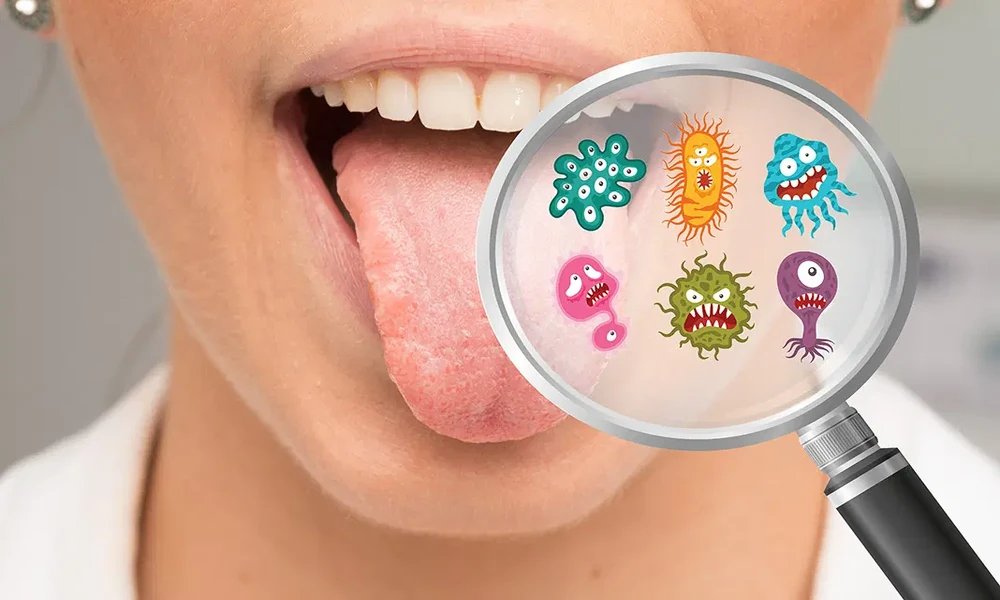
Most people think of oral bacteria as a tooth problem. Cavities, bad breath, maybe some gum soreness. What research keeps turning up, though, is that these organisms do not stay local. They enter the bloodstream through gum openings, travel, and settle into tissue nowhere near the jaw. Bisson Dentistry checks gum condition at every visit, partly for this reason, because what forms along the gum line can show up later in a cardiology report. This follows those bacteria past the mouth.
Oral bacteria migration
Gum tissue is not solid. It sits against each tooth in a shallow crevice, and that junction is where bacterial film concentrates most heavily. Chewing, brushing too firmly, or even a routine cleaning can push microbes through weakened tissue into capillaries beneath.
From there, movement happens fast. Porphyromonas gingivalis, one of the more studied species in gum disease, has turned up in arterial plaque samples, synovial joint fluid, and brain tissue during autopsy research. That is a wide distribution for an organism that started in someone’s mouth.
Swallowing contributes a separate route. Every meal sends oral bacteria into the gut in substantial numbers, and the microbial balance there shifts in response. Breathing adds another channel, pulling saliva droplets toward lung tissue, which becomes more relevant as swallowing reflexes slow with age.
Cardiac vessel effects
Two things happen when oral bacteria reach heart tissue regularly over months or years.
- Arterial wall inflammation
Immune cells respond to bacteria lodged against vessel linings the same way they would to any foreign organism: they attack. That attack, repeated constantly, thickens artery walls. Researchers examining cardiovascular patients have found gum disease bacteria at the same sites where plaque accumulates, not just nearby but embedded within it.
- Valve surface colonisation
Streptococcal species from the mouth grip artificial valve surfaces and damaged cardiac tissue with particular efficiency. Many patients are unaware that the cause of endocarditis is oral organisms. Dentists flag cardiac history before procedures precisely because this pathway is well-documented.
Glucose regulation interference
Gum infection releases cytokines that interfere directly with how cells respond to insulin. The disruption is not subtle: tumour necrosis factor alpha, elevated during active periodontitis, reduces insulin receptor sensitivity in muscle tissue measurably.
Glucose stays high longer after meals. High glucose in saliva then feeds the same bacterial strains driving the infection. Several trials have recorded drops in glycated haemoglobin readings after gum treatment alone, with no adjustment to diabetes medication. Physicians now treat gum disease as a variable in glucose management rather than a separate dental concern.
Lung tissue exposure
Night is when lung exposure tends to peak. Lying down changes the angle of the airway, and saliva carrying oral bacteria gets aspirated into the chest during sleep. Hospital data on ventilated patients shows pneumonia rates drop measurably when mouth care improves, which confirms how much material reaches the lungs through this route.
Brain tissue is the finding that surprises most people. Porphyromonas gingivalis enzymes called gingipains have appeared in hippocampal samples from people with memory disorders. Cause and effect are still being examined, but the presence of an oral organism in brain tissue tells its own story about how far these bacteria travel once the gum barrier opens.
Mouth bacteria shape what happens in arteries, heart valves, lung tissue, glucose metabolism, and possibly the brain. Keeping gum tissue sealed through daily care and regular professional visits cuts every one of these pathways at the source.