
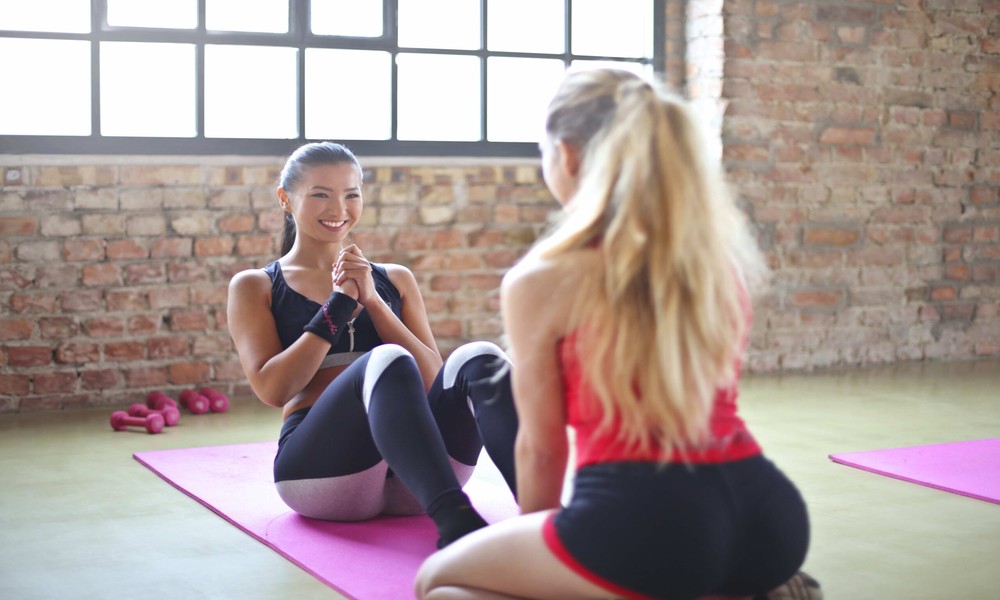
Physical inactivity is a common problem due to hectic work, family, studies or stress in daily life. With so much to be done, fitness can be a challenge, but that doesn’t mean it has to be a time-consuming endeavour. Even small and steady actions can yield great health gains. Practical habits and good use of time will keep people active and fit even in busy routines.
Put exercise on your agenda every day!
Treat exercise as an option and one of the biggest reasons people don’t exercise! Physical activity should be viewed like eating, working, or sleeping, and should be a habit. Try to time exercise a certain amount of the day to promote consistency. Others like to exercise early in the morning before they start their day, while others prefer to have a shorter exercise during lunch breaks or in the evening. exercise without excuses By making exercise an appointment, it’s easier to commit.
Focus on Short Workouts
There are many people who think that it takes a long time at the gym to get a good workout, but that is not always the case. Regularly exercising for 15-30 minutes can benefit energy, heart health and fitness, when focused. These can be used in busy schedules like body weight exercise, brisk walk, climbing stairs, yoga or rapid home workouts. BREAKS throughout the day also count. It’s not about the length of the workout, it’s about consistency.
Take advantage of Small Opportunities to Stay Active!
There are a lot of ways to be active without being busy. Follow these suggestions to boost your steps: Use the stairs instead of the elevator, walk while talking on the phone, stretch between tasks and park in a spot that is further away. Anyone who sits a lot should get regular breaks to move around for an hour. Even a few minutes of walking or stretching can enhance circulation and ward off fatigue.
Exercise at Home
One of the easiest ways to ignore the time, travel or crowded gym reasons for not working out at home is to have a home workout plan in place. There are a number of exercises that are effective and require little or no equipment. Push-ups, squats, lunges, planks, resistance bands and yoga can all be performed at home in a small space. Guided exercise is made easier and more accessible with online workout videos and fitness apps. By eliminating travel time, it will be easier to maintain consistency.
Integrating exercise into everyday life.
When exercise is paired with daily activities, it is easier to keep up. Combining movement with other tasks, such as listening to podcasts while walking, cycling to work or playing active games with family members. It’s also possible to use social time as fitness time, with friends for walking or by participating in group activities. This helps make exercise more a part of normal life.
Set Realistic Goals
It is important to have realistic fitness goals to avoid frustration and lack of consistency. Exercising is easier and more motivating with small, attainable goals. Don’t try to do everything right, but work towards consistent improvements. Don’t do nothing, do a little bit. Monitoring energy, mood or performance levels can also help keep you motivated.