
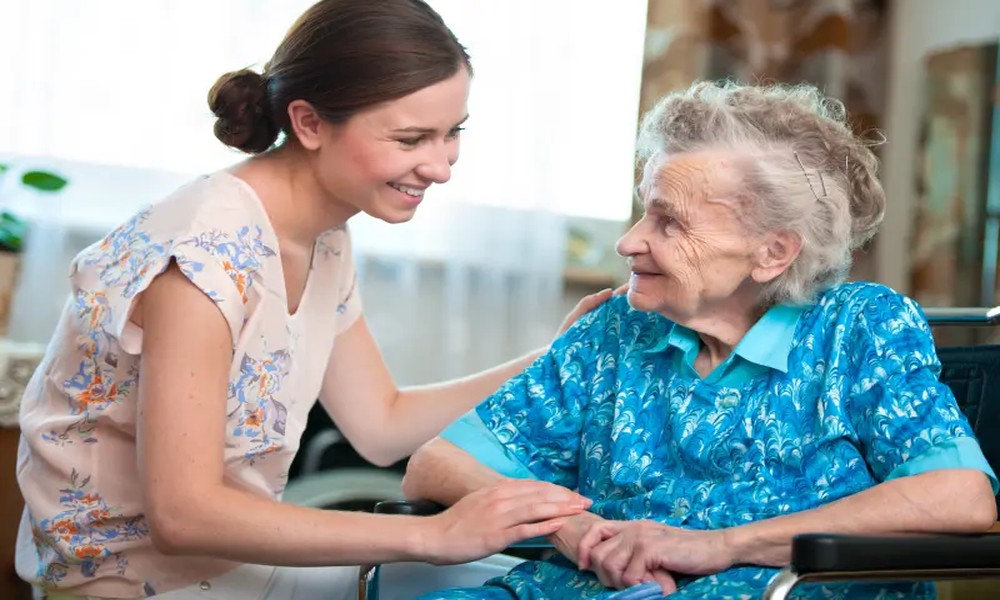
Providing the best for elderly parents is the goal of loving sons and daughters. Giving their love back to them is when they become seniors. They cannot do all the things they used to. But this must not limit them from still preparing meals for you when you are around.
Support at Home Program eases the minds of families considering in-home aged care.
Right time to get an in-home aged care
It is rarely a single moment to know that a parent needs home care. Usually, it is a gradual realization. More families wait until the crisis occurs, such as:
- fall
- hospitalization
- sudden health decline
A successful care decision happens earlier. It happens when support improves comfort and safety, rather than reacting to an emergency.
Ask yourself about your parents and how they manage daily life safely. Do they keep up with:
- personal care
- meals
- medications
- household tasks
You have noticed their health, whether they are:
- physically stable
- emotionally well
- socially engaged
It is the right time to get professional in-home care to get the elderly parent consistent support.
Home care is not about taking away their independence. It is about protecting them. Your parents staying safe at home while acting proactively makes them feel capable.
Signs of aging parent needs in-home care
Daily activities difficulty
A loved one who needs assistance is struggling with:
- bathing
- dressing
- preparing meals
- taking medications
Bathing two or three times a week is enough to maintain proper hygiene for elderly. Senior home care professionals recommend a bathing frequency. An aging skin care is essential. Elderly skin gets thinner and drier. Thus, most elderly people refuse to take a bath. They feel cold due to thinner skin.
Memory lapses
The elderly’s safety is always a priority for seniors. They normally forget occasionally. Frequent memory issues happen to them, such as:
- leaving the stove on
- misplacing important items
- forgetting essential routines
All these can put your parents at risk. It indicates the need for in-home support. Alzheimer’s disease is a commonly diagnosed form of dementia in older adults, according to the National Institute on Aging.
Balance problems and frequent falls
Professional supervision is needed when an elderly parent needs mobility assistance.
- Unsteady walking
- Balance issues
- Repeated falls
Falls are the leading cause of injury for older adults, those aged 65 years and above.
Missed appointments and unpaid bills
It is time to consider the help of in-home aged care if your parent is regularly forgetting the following:
- medical appointments
- medications
- financial responsibilities
Poor nutrition and hygiene
Your loved one has trouble caring for themselves independently during:
- noticeable weight loss
- spoiled food in the refrigerator
- decline in personal grooming
FAQs
How important is in-home aged care for stressed elderly?
The elderly encounter stress that requires in-home aged care, such as:
In-home aged care provides companionship, making them feel not neglected.
What benefits can families get from in-home aged care?
Bringing in home aged care at home helps families provide ongoing care to their elderly parents. It is best for busy professionals. They have someone to rely on while not around. In home care relieves the stress while ensuring their loved ones receive the best quality support.
Is in home care taking away an elderly parent’s independence?
Seniors worry that care means losing their freedom. In-home care does not take away the independence of an elderly parent, but assists when they struggle with something. The strength during their younger years is not the same when they age. Thus, the presence of in-home aged care makes them perform their daily activities when they need help.